The Flemish government, led by Education Minister Zuhal Demir, plans to abolish pedagogical study days and optional school holidays starting in 2026–27 to increase effective teaching time. Education expert Pedro De Bruyckere supports the intention to prioritize learning time but questions whether this reform tackles deeper systemic issues. Teachers’ unions and school leaders warn that removing professional development days risks weakening teacher quality rather than strengthening student outcomes.
According to reporting by VRT NWS, the reform aims to recover what policymakers describe as “lost instructional time” by eliminating pedagogical study days and certain discretionary holidays. While the logic appears straightforward — more time in class should mean better results — the reality is more complex. De Bruyckere takes a cautiously optimistic stance: increasing learning time is sensible, but time alone does not guarantee quality. If professional development opportunities shrink without structural support, schools may gain hours but lose depth.
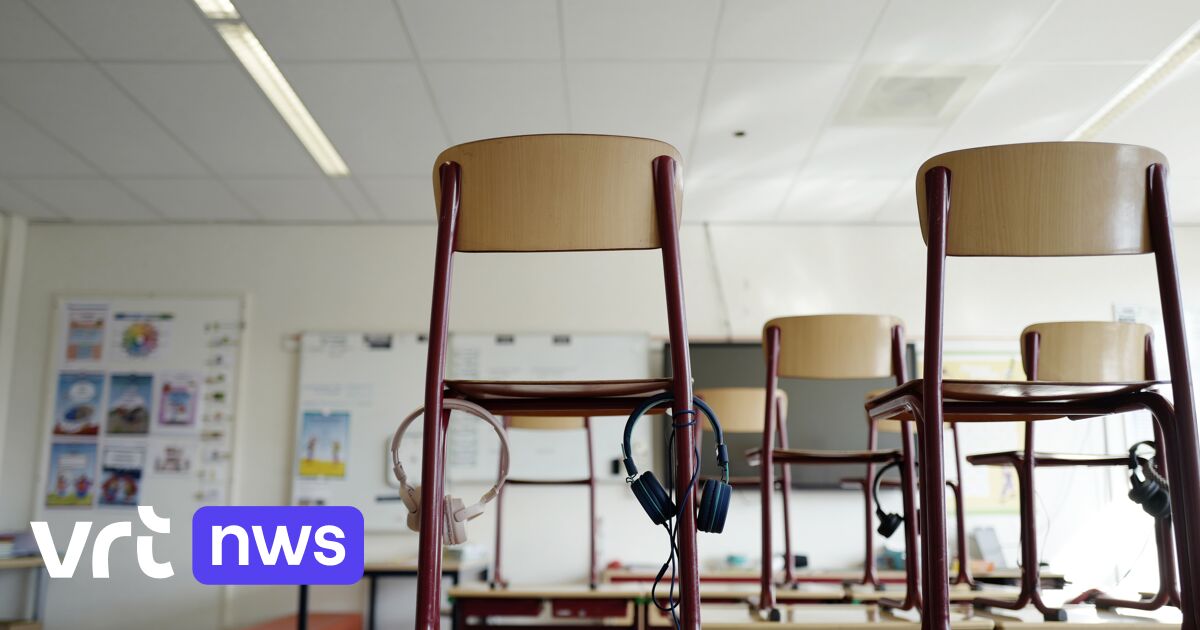
The debate ultimately reveals a broader truth: education reform cannot rely on calendar adjustments alone. Without addressing workload, teacher shortages, and systemic fragmentation, adding hours risks being a technical fix to a structural problem. Yet the conversation itself signals something positive — a willingness to question long-standing routines and rethink how school time is organized.